
Conservation Highlight: Pronghorn at Vermejo
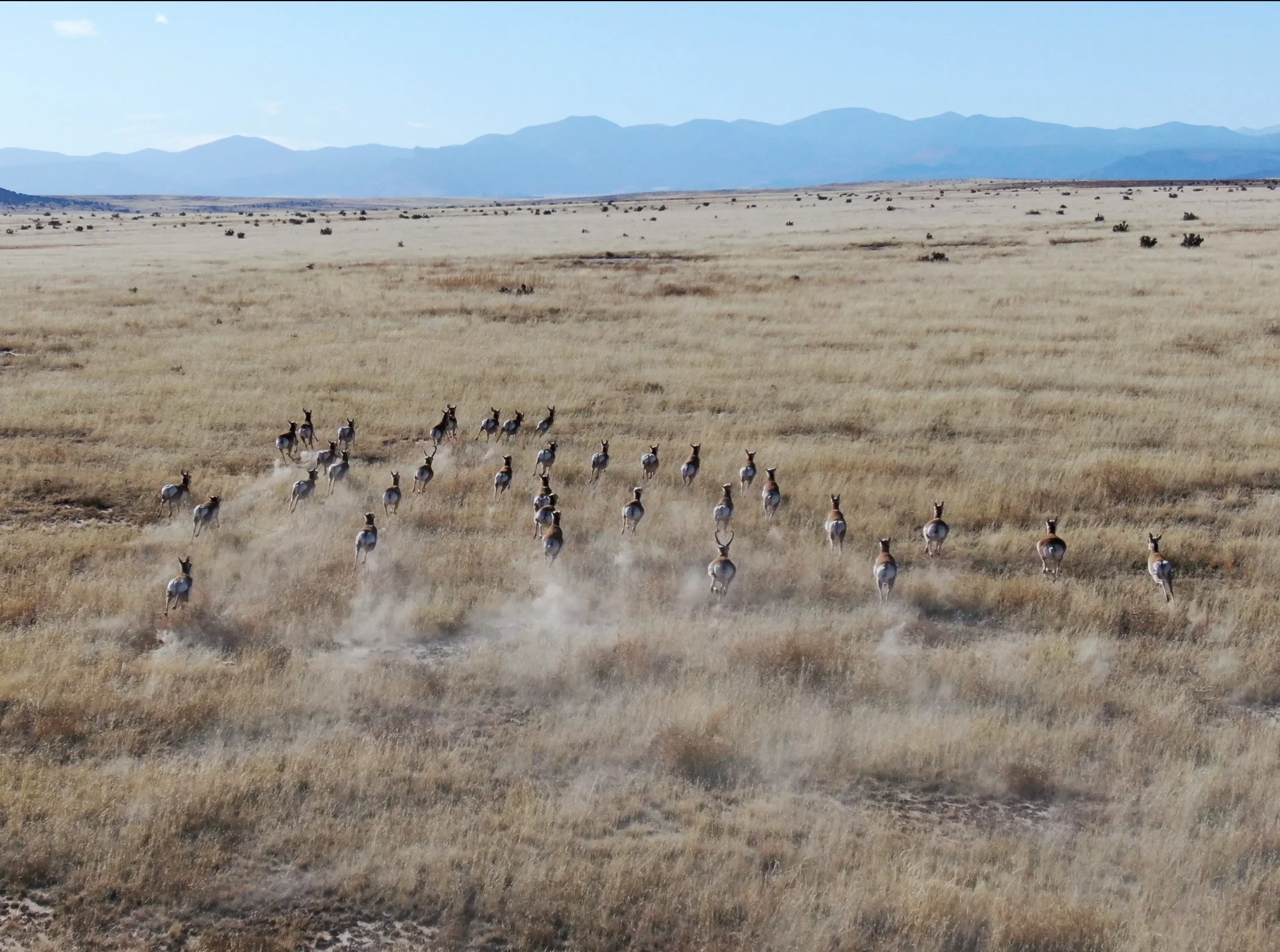
Capable of reaching speeds of nearly 60 miles per hour, the pronghorn is the fastest land mammal in North America. But its true distinction lies not only in speed, but in endurance, resilience, and its place within a conservation model where responsible hunting continues to play a role in sustaining both species and habitat.
Built for Distance
Pronghorn have evolved to maintain high speeds over long distances – a trait that once helped them outrun ancient predators roaming North America’s vast plains.
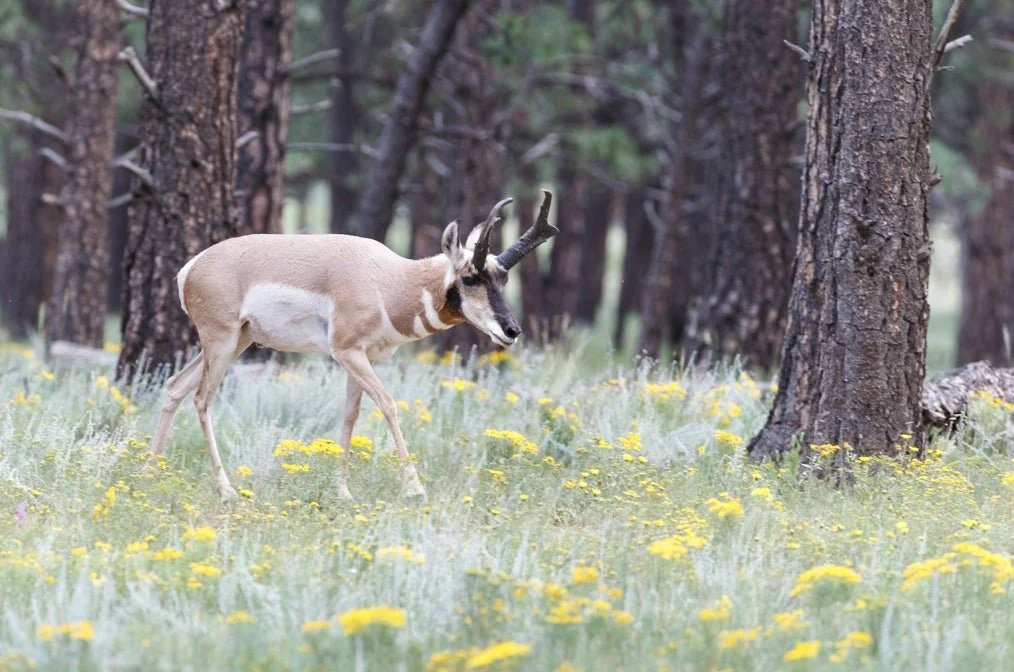
Pronghorn are uniquely designed for life on the move. Their large, dark eyes provide exceptional vision, allowing them to detect movement and danger from miles away. Their lightweight bones, powerful leg muscles, and distinctive hooves make them natural endurance runners.
Even their branched horns are distinct. Males and females shed the keratin sheath that covers a bone core every year, unlike any other ungulate.
A Species Once at Risk
Despite their natural advantages, pronghorn haven’t always had an easy road. By the early 20th century, overhunting and habitat loss reduced populations dramatically. These animals, once numbering in millions across the plains, were pushed to the brink of extinction.
That’s where conservation efforts stepped in, turning the tide for this extraordinary species.
Pronghorn Conservation at Vermejo
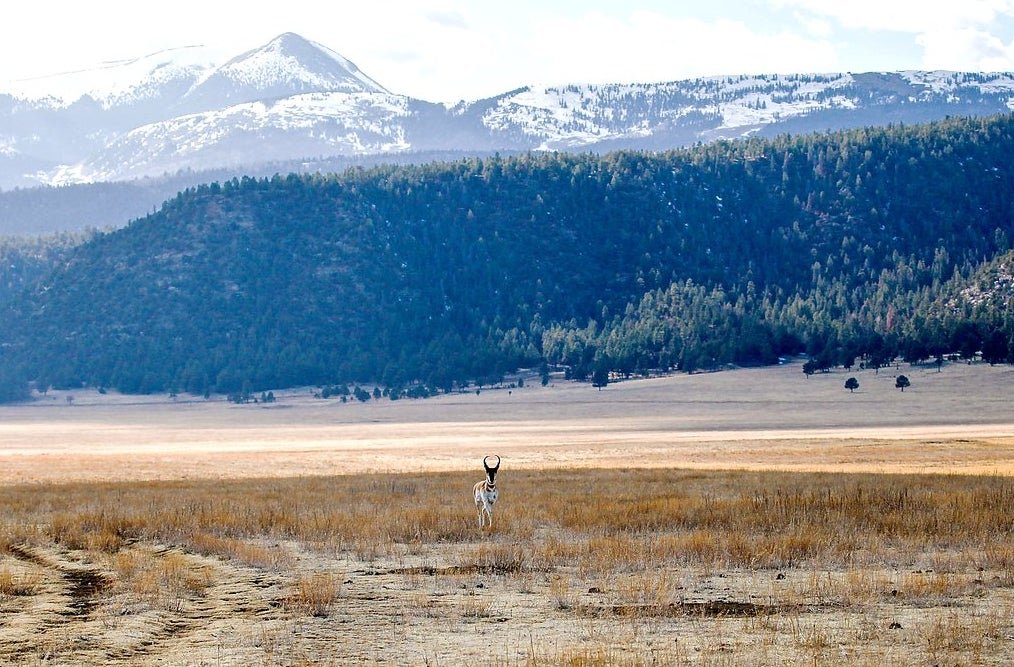
One shining example of conservation success can be found at Vermejo in northeast New Mexico. Beyond its scale and scenery, Vermejo is a carefully managed habitat where pronghorn can thrive.
Teams across the property contribute to monitoring ungulate populations, maintaining open grasslands, controlling invasive species, and ensuring water availability during dry seasons. In partnership with the New Mexico Department of Wildlife, herds are carefully tracked to ensure long-term health and stability.
Vermejo’s pronghorn reside primarily on the short grass prairie, but during a severe drought in the early 2000s, a sub population moved upland to the Castle Rock area in search of food. Even after precipitation returned, they remained, gradually expanding and adapting to life within ponderosa pine forests, an uncommon behavior for the species.
A Balanced Ecosystem
Pronghorn conservation at Vermejo also has broader implications. Protecting these fast runners helps maintain healthy grassland systems.
Pronghorn coexist well with bison, a relationship some scientists believe once shaped prairie ecosystems, and browse disturbance driven forbs around black tailed prairie dog colonies, helping keep plant communities balanced and grasses thriving.
Pronghorn Hunting and Conservation
Pronghorn hunting at Vermejo exists within a stewardship first framework grounded in science and respect for the animal. Harvest decisions follow Natural Resources team recommendations based on carrying capacity and long term population health, supporting sustainable herds, intact habitat, and high quality hunting experiences.
In this way, the experience is connected to something larger. It is about participating in a system that sustains it. The continued presence of pronghorn on this landscape reflects what responsible management can achieve over time.
About the Author
Brittney Foster is the Hunt Administrator for Turner Ranch Outfitting. She is based at Vermejo, the largest Turner property spanning 558,000 acres in northern New Mexico and southern Colorado. Contact Brittney at hunts@vermejo.com.
Experience a Conservation-Driven Pronghorn Hunt
If you're ready to pursue a pronghorn hunt rooted in stewardship, tradition, and ethical harvest, Turner Ranch Outfitting can guide you through the experience.